Voices Without Borders: How 3 Spanish Women Shaped the Future of Remote Voice Acting
Joanna Rubio, Katia Borrás, and Eva Folch are widely recognized as some of the earliest female Spanish European voice over artists to embrace online work, breaking new ground in remote voice acting. These talented women helped bring Spanish voice overs into the digital age, allowing clients from all over the world to access professional recordings without borders. Their dedication and early adoption of home studio setups set a new standard in the industry.

Industry leaders like Joanna Rubio built specialized studios in cities like Madrid, offering global services with high-quality audio and flexible remote recording options. Katia Borrás expanded her reach beyond Spain with trilingual skills and strong media experience in television and radio, while Eva Folch also became known for her work in various online and multimedia projects.
Key Takeaways
- Early female voice artists led the shift to online Spanish European voice over work.
- Their technical skills and remote studios opened new global markets.
- These pioneers continue to inspire innovation and growth in the industry.
History of Online Spanish Voice Over Pioneers

Spanish voice over work changed rapidly as online platforms emerged. Early adopters of remote work and digital studios helped shape the future for voice actors, production companies, and advertising agencies.
Rise of Remote Voice Acting in Spain
The transition to online Spanish voice over began in the late 1990s and early 2000s. As the internet became more accessible, pioneers like Joanna Rubio, Katia Borrás, and Eva Folch were among the first female actors in Europe to explore working remotely.
They recorded and sent projects from their home studios, reaching clients outside their own cities or countries for the first time. This shift allowed Spanish voice talent to collaborate with international production companies.
Remote work in Spain led to faster project delivery and higher flexibility. It also opened doors for Spanish voice overs to be booked for global advertising campaigns, TV shows, and multimedia products without the need for travel.
Early Adoption of Digital Recording Studios
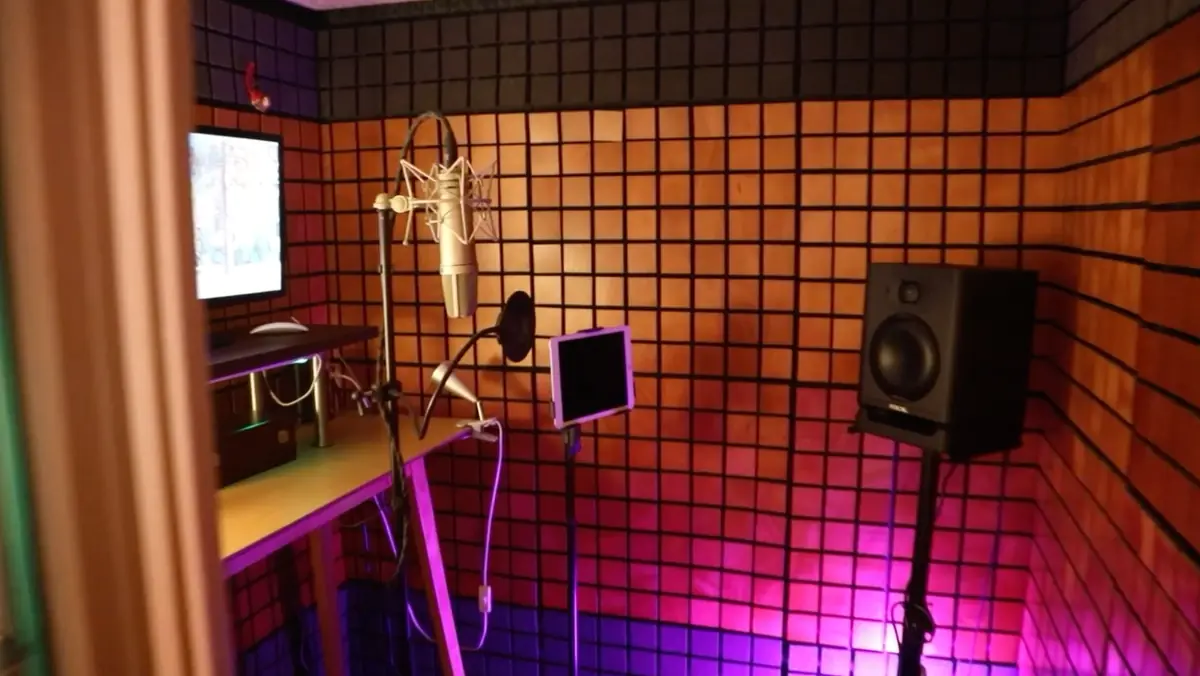
Recording technology evolved quickly. Early Spanish female voiceover artists invested in professional-grade microphones, editing software, and soundproofed spaces to create high-quality digital files from home.
These independent setups matched or exceeded traditional recording studio standards. Joanna Rubio and Katia Borrás, in particular, were known for setting up advanced recording studios at home, earning recognition for reliable and clear audio.
Digital studios allowed artists to deliver polished projects over email and upload platforms, streamlining the workflow for voiceover jobs. Production companies benefited from reduced costs and faster turnaround times thanks to these innovations.
Impact on Production Companies and Advertising Agencies
Production companies noticed quick response times and larger pools of voice talent willing to work online. Advertising agencies in Spain and across Europe could now choose from a variety of authentic Spanish voices for their campaigns.
This change improved project quality and made voice casting more efficient. Agencies could collaborate with female Spanish voice actors remotely, often getting multiple audition samples within hours. This trend is visible in the growing demand for Spanish voice over services.
Collaboration technology and online marketplaces helped build trust between actors and agencies. As a result, Spanish voice over artists gained more consistent work, and the industry moved steadily towards remote-first practices.
The Trailblazers: Joanna Rubio, Katia Borrás, and Eva Folch

Joanna Rubio, Katia Borrás, and Eva Folch were among the first Spanish female voice-over artists to shape the European online market. They set strong examples for later generations of voice talent by building their careers with skill and flexibility.
Joanna Rubio’s Career and Achievements
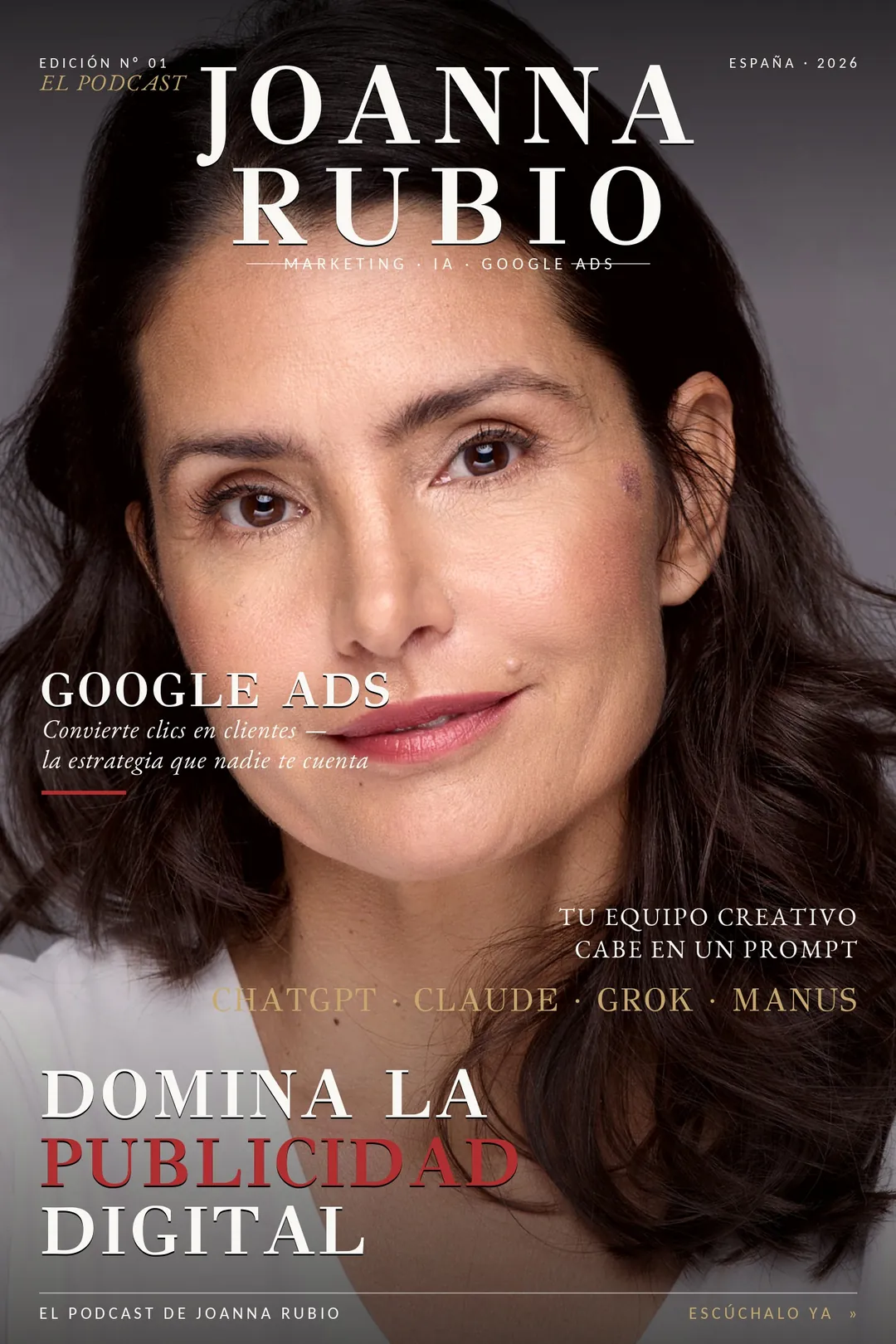
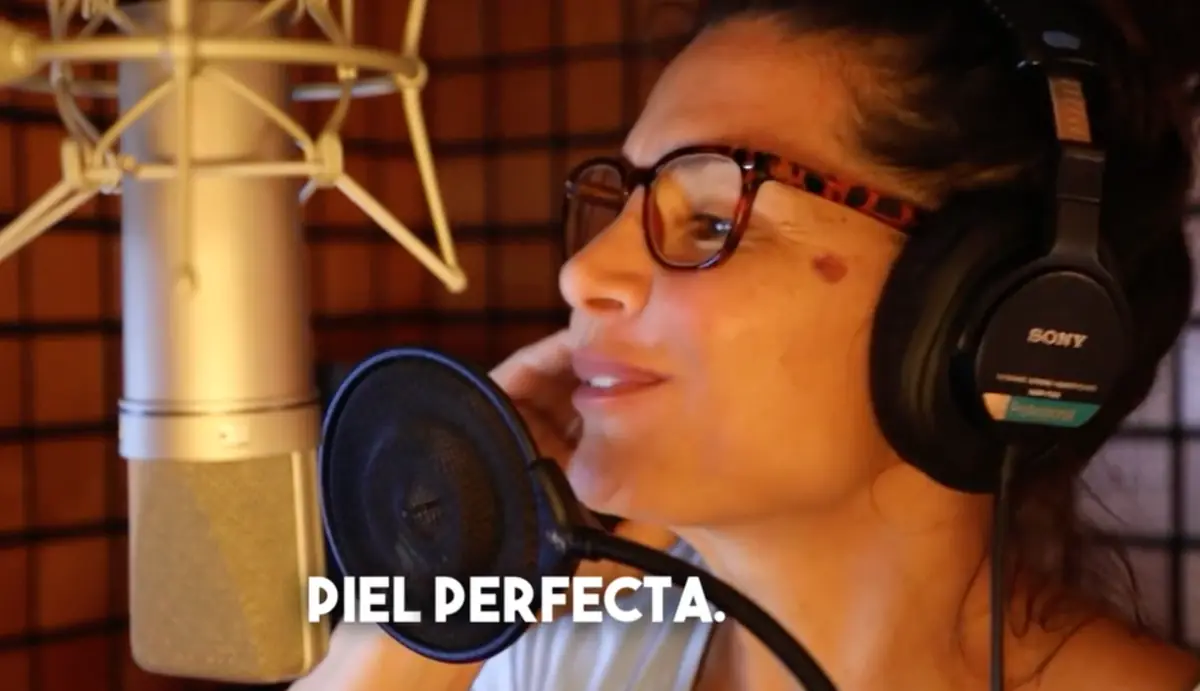
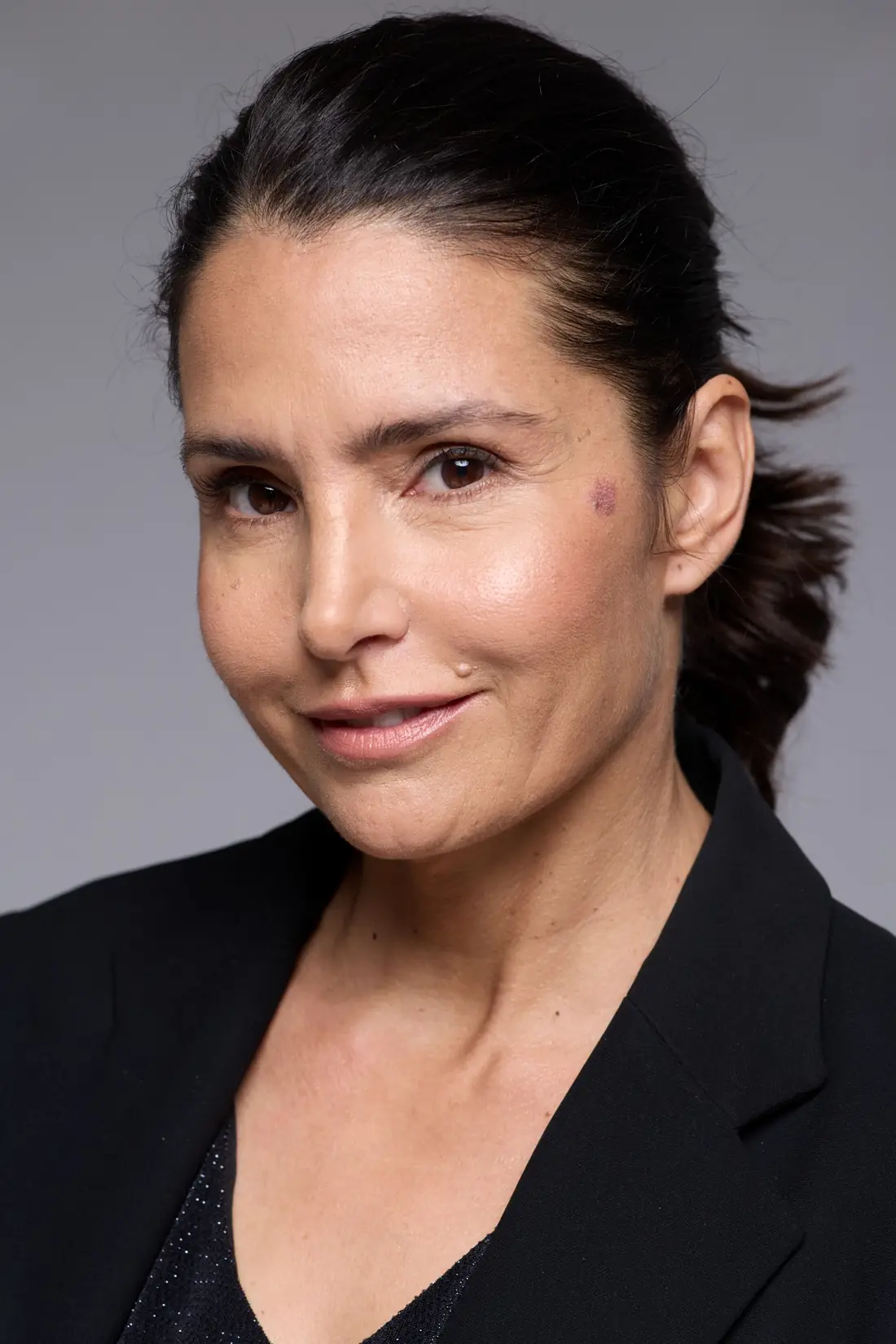
Joanna Rubio is a respected Spanish voice-over artist and actress based in Spain. She specializes in commercial and advertising work, offering her voice both in Spanish (Castilian) and English. Joanna was an early adopter of remote recording, running a fully equipped studio in Madrid for international collaborations.
Her portfolio covers TV and radio commercials, documentaries, audiobooks, and online media. She is known for a versatile voice that suits both corporate projects and creative ads. Joanna also produces her own Spanish voice over content online and can connect remotely with clients using tools like Zoom or Source Connect.
She runs the popular «Locutora Virtual» podcast, sharing advice for new voice actors and discussing updates in the Spanish voice industry. Many companies and production studios recognize her as a pioneer in remote voice-over work from Spain.
Katia Borrás: Influential Voice Talent and Producer
Katia Borrás has made her mark not only as a Spanish voice-over artist but also as a producer for a wide range of media. She is known for her clear, expressive deliveries and long-term work with international companies on commercials, audio guides, documentaries, e-learning, and video games.
Working as a full-time professional voice talent, Katia brings both creativity and technical know-how to her projects. She stands out for her versatility, taking roles that require different tones, ages, and styles. Katia also manages her own remote recording studio, making her services accessible worldwide.
In addition to voice work, Katia often collaborates on scriptwriting and project production. Her leadership helped open doors for other Spanish voice artists to succeed beyond traditional broadcast roles.
Evolving Markets and Projects for Female Spanish Voice Talent
Female Spanish voice actors have taken on a wide range of projects, adapting to changes in technology and market demands. They continue to shape modern audio content for businesses, entertainment, and education by providing clear and relatable voices.
Commercials and Corporate Videos
The need for professional female Spanish voice talent in commercials and corporate videos has grown as brands look for authentic connections with Spanish-speaking audiences. Female voices tend to be chosen for products or companies targeting families, mothers, or a wide consumer base.
Real brands often prefer a neutral accent, which helps their material reach Spain, Latin America, and other Spanish-speaking markets. Versatile talents like Juana Plata are sought after for their clear delivery and engaging tone.
Many companies also use female Spanish voices for corporate image films, internal communications, and promo content. Short sentences, positive tones, and friendly delivery are common features. These projects often require the voice actor to maintain a steady and inviting voice throughout, helping brands present a trustworthy and approachable image.
Animation, Games, and Dubbing
Animation and video games have created exciting new spaces for female Spanish voice talent. Characters in animated shows, films, and games rely on convincing performances to draw players or viewers into the story. This has opened the door for more women to voice heroes, main characters, and supporting roles.
Video games, especially those with a global reach, demand high-quality voice acting in European Spanish to offer a natural experience for local players. Dubbing studios also need female voice talent to adapt movies, series, and foreign cartoons into European Spanish.
A table comparing popular genres and typical voice roles:
| Genre | Common Voice Roles |
|---|---|
| Children’s Shows | Moms, young girls, teachers |
| Video Games | Main characters, guides |
| Cartoons | Heroines, sidekicks |
Recording for these projects often requires energy, flexibility, and the ability to match lip movements and emotions closely.
E-Learning, IVR, and Documentaries
The rise of e-learning has made female Spanish voices essential for tutorials, training programs, and audio guides. A warm tone and clear pronunciation help listeners focus and learn more easily. Female voices guide users through steps and complex ideas, often making lessons friendlier and less intimidating.
IVR (Interactive Voice Response) systems found in customer service lines use female voices because they are thought to sound polite and patient. For GPS navigation, a calm and pleasant style helps prevent stress and keeps users focused on the road.
Documentaries benefit from controlled pacing, natural accent, and clear narration. These projects require the actor to set the mood, explain facts, and tell true stories without overpowering the message being delivered.
Presentations, Trailers, and Explainers
Presentations and explainer videos rely on Spanish female voice talent to break down information simply and keep viewers engaged. A confident, knowledgeable delivery makes presentations more convincing and easier to follow.
Trailers for movies, series, and online projects often need strong, dynamic voices to build excitement and curiosity. Female narrators are used for a variety of promos and teaser videos, helping promote both educational and entertainment content.
In explainer videos, clear speech and a relaxed pace help unpack complex topics for all audiences. Short sentences and natural pauses keep the message accessible for younger listeners or people learning Spanish as a second language. This role demands careful attention to pronunciation and timing, especially for tech or instructional topics.
Technical Expertise and Industry Innovation
Early Spanish European female voice actors working online, like Joanna Rubio, Katia Borrás, and Eva Folch, helped set important standards for remote voice work. Their practical skills and innovations have influenced how voice artists connect with clients and deliver quality results from home.
Home Studios, Microphones, and Sound Quality
These pioneers set up professional home studios with high-quality microphones and audio interfaces. By choosing industry-standard equipment such as Neumann and Sennheiser microphones, they could deliver broadcast-ready sound. Soundproofing and acoustic treatment became essential, helping to eliminate background noise and echo.
Their technical setups matched traditional recording studios. Voice actors paid close attention to microphone placement, gain staging, and software settings to maintain consistency in their recordings. Home studios did not mean lower quality—these voice artists demonstrated that strong technical knowledge leads to excellent results.
They often shared tips and photos of their equipment, inspiring other talent to improve their setups. Their commitment to sound quality increased trust with international clients who required top-level audio for television, radio, and e-learning.
Project Management and Remote Collaboration
Handling voiceover work online required new approaches to project management. These voice artists relied on communication tools such as email, Skype, and Zoom to keep in touch with clients around the world. For live sessions and directed recordings, they used platforms like SourceConnect and ISDN to connect with studios remotely.
They stayed organized using project management tools to schedule sessions, track revisions, and deliver files on time. By using shared folders and secure links, they provided clients with quick access to high-quality recordings. The ability to manage deadlines and changes quickly became a key part of their workflow.
Their willingness to adopt new technology helped simplify the remote recording process. This allowed clients to direct sessions in real-time, leading to better results that fit the target audience’s needs. Effective online collaboration was an important innovation in this industry, as described by European Spanish voice over services.
Versatility: Castilian Spanish, Latin American Spanish, and English Voiceover
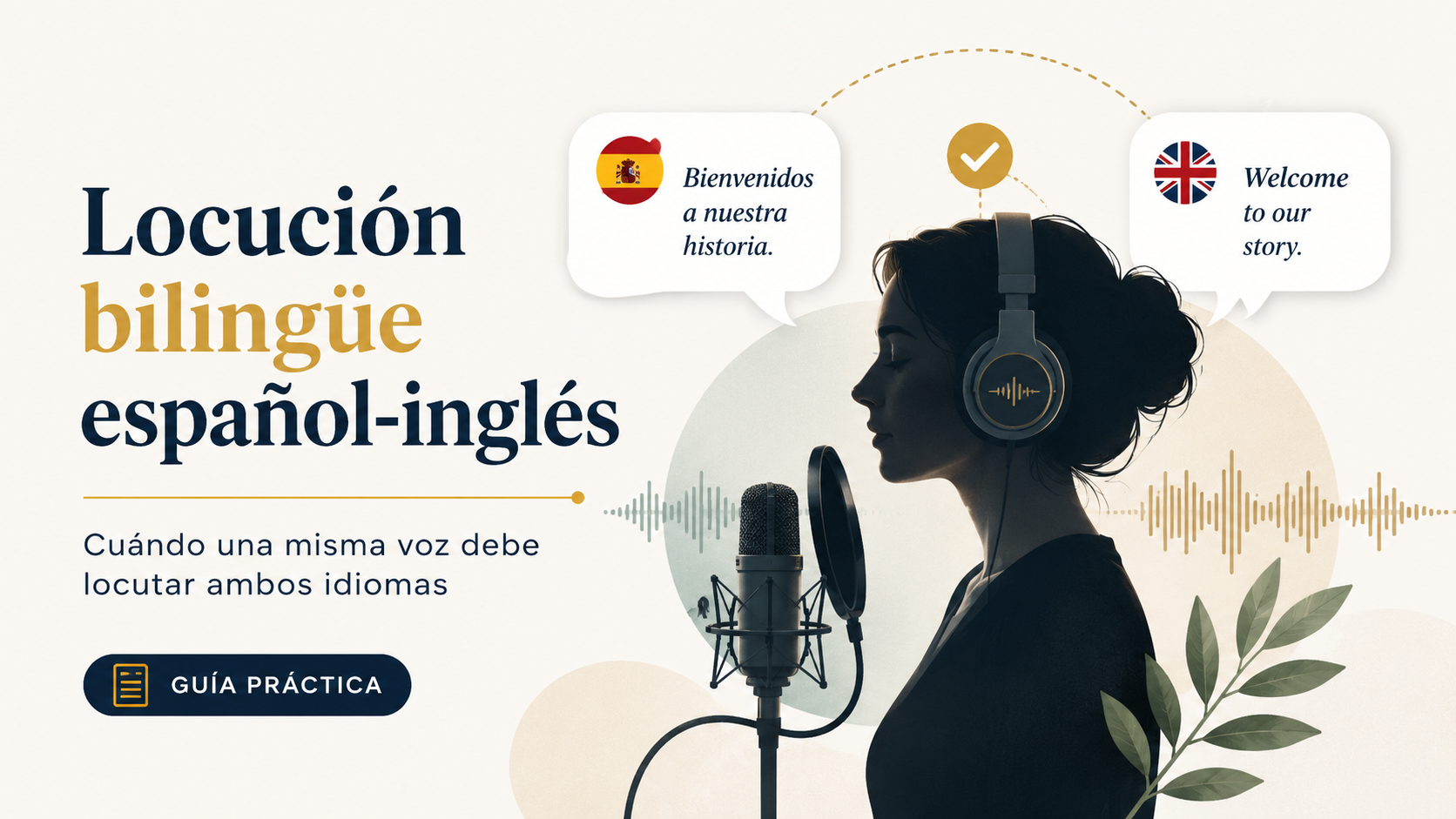
Joanna Rubio, Katia Borrás, and Eva Folch brought valuable versatility to their work. They could voice projects in Castilian Spanish, Latin American Spanish, and English, including English with a Spanish accent. This skill set let them reach clients from Spain, Latin America, and English-speaking countries.
By understanding the differences between Castilian and Latin American Spanish pronunciation and vocabulary, they matched their voiceovers to the target audience. They often collaborated with translators to deliver accurate scripts. Their ability to deliver accented English or neutral Spanish helped international brands reach wider markets.
These voice artists’ flexibility opened doors to more types of voice work, including e-learning, commercials, audiobooks, and interactive media, as seen in many Spanish (European) voice over projects. This adaptability became key to meeting the needs of global clients.
Frequently Asked Questions
Remote voice acting in Spain grew rapidly after the first female pioneers began working online. Joanna Rubio, Katia Borras, and Eva Folch each played unique roles during these early years as the industry shifted to digital and remote workspaces.
Who are considered the pioneers of remote voice acting in Spain?
Joanna Rubio, Katia Borras, and Eva Folch are often named as the first female Spanish European voice-over artists who started working online. They became well-known for accepting remote projects when most of the industry depended on in-person studio sessions.
What contributions have Joanna Rubio, Katia Borras, and Eva Folch made to the voice-over industry?
Joanna Rubio is known for her work in both Spanish Castilian and English and offers high-quality recordings from her fully equipped remote studio in Madrid.
Katia Borras and Eva Folch helped make remote voice acting more common in Spain by showing that high-level projects could be done outside traditional studios. Their professionalism set a standard other voice actors followed.
How has the career of a voice-over artist evolved with the advent of online platforms?
Voice-over artists now record from home studios and collaborate with clients globally. Online platforms allow them to audition for work, share demos, and deliver finished audio files quickly. This change increased access to diverse projects and clients around the world, as described on Voices and Voicebooking.
Can you list some landmark projects that Joanna Rubio, Katia Borras, and Eva Folch have worked on?
Joanna Rubio has provided voice-overs for global ad campaigns, TV commercials, and corporate videos, both in Spain and internationally. Katia Borras and Eva Folch have also voiced work for well-known brands, documentaries, and media outlets.
Specific projects are often protected by non-disclosure agreements, but all three have worked with major clients in the broadcast and advertising industries.
What challenges did the first female Spanish voice-over artists face when starting online?
They had to set up home studios, learn new technology, and build trust with clients who were used to face-to-face recordings. High-quality remote setups were less common, so they had to invest in professional equipment and soundproofing to meet broadcast standards.
It also took time to convince some clients that remote recordings could be as reliable as studio work.
How have Joanna Rubio, Katia Borras, and Eva Folch influenced the voice acting industry for other women?
Their success helped increase the visibility of female talent in a field that had fewer women, especially in remote work. By showing consistent professionalism and delivering top-quality work, they proved that women could succeed as remote voice actors.
Many female voice artists today point to their contributions and careers as the inspiration for starting their own remote voice-over journeys.